See Your U.S. Burn Injury Settlement With a Free 2026 Caps Calculator
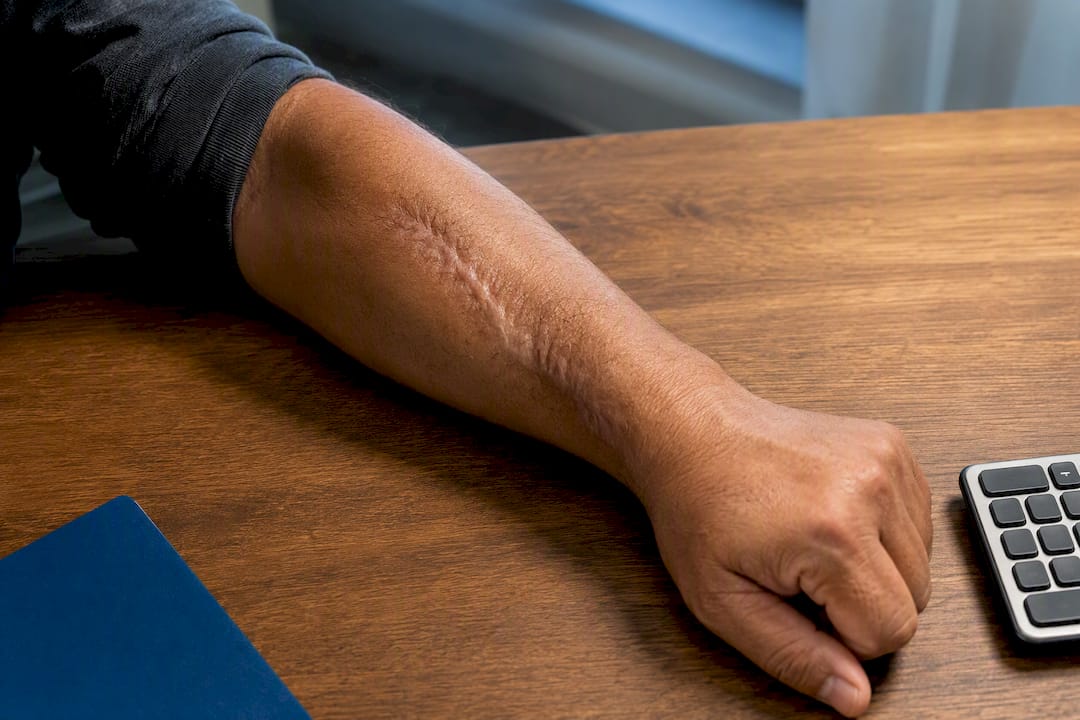
A workers’ comp burn injury settlement is computed, not looked up: your weekly compensation rate times the state’s scheduled weeks for the injured body part, times your physician’s impairment rating, plus any unpaid medical bills and past wage loss. State maximum weekly benefit caps for 2026 can cut that number dramatically depending on where you work. Gather your average weekly wage and your MMI/impairment paperwork, then run those numbers through a state-aware settlement calculator instead of guessing from a chart.
TL;DR:
- State maximum benefit caps can significantly reduce settlement amounts, especially for high-earning workers, depending on where the injury occurred and the year.
- The impairment rating assigned by your doctor, combined with state-scheduled weeks for the body part, determines the core settlement value, which can be influenced by photographic evidence and documentation.
- Severity of burns ranges from minor first-degree cases settling in low thousands to severe fourth-degree injuries reaching six or seven figures based on surgeries, lifetime care, and scarring.
- Differences in state law, particularly weekly benefit caps and schedule length, can nearly double payouts for identical injuries across state lines.
- Reporting your injury promptly and gathering thorough medical and wage documentation is crucial to maximizing your settlement potential and avoiding missed deadlines.
Table of Contents
- How Workers’ Comp Settlements Are Calculated for Burns
- What Information You Need Before You Estimate Your Settlement
- What Do Burn Injury Settlements Typically Pay?
- Why the Same Burn Pays Differently in Different States
- Claim Deadlines and Your Next Steps After a Burn
- Why Computed Estimates Beat Dollar Charts
- Try the Free Workers’ Comp Calculator for Your Burn Claim
- Sources
- FAQ
How Workers’ Comp Settlements Are Calculated for Burns
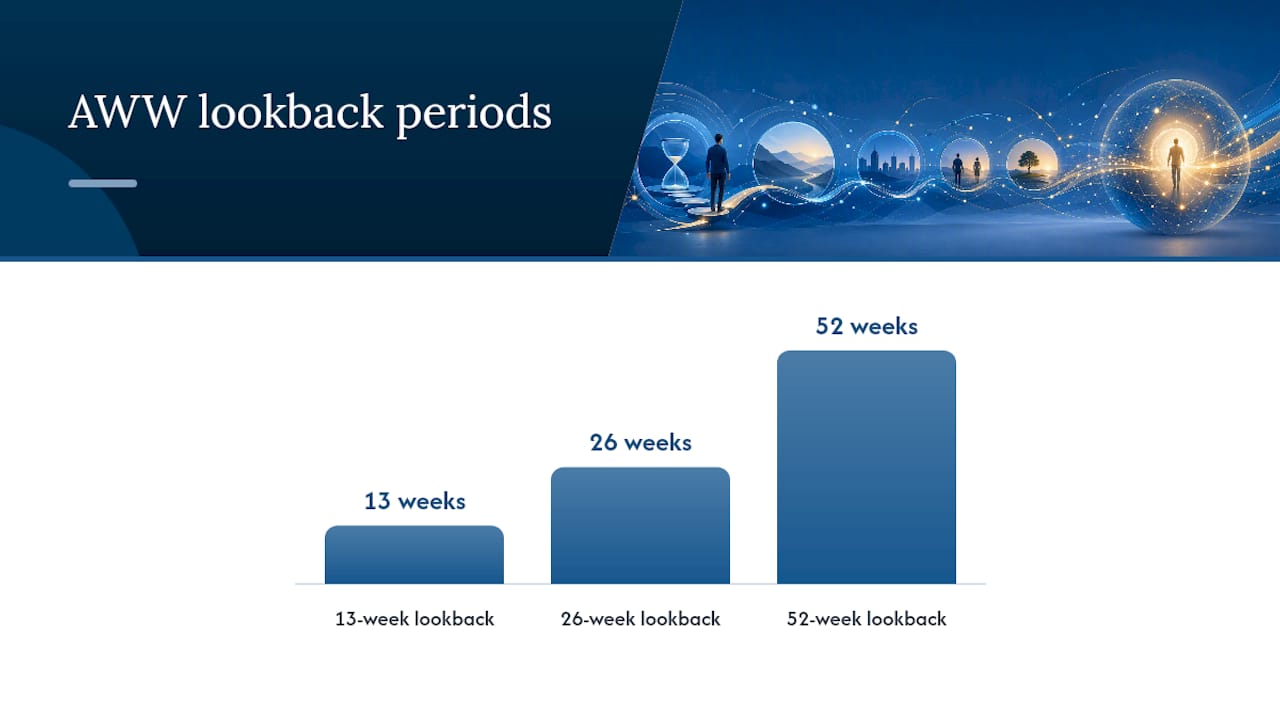
Every burn settlement starts with your Average Weekly Wage (AWW), the average you earned before the injury, usually calculated over the 13, 26, or 52 weeks before the accident depending on state rules. Most states pay roughly two-thirds of that wage as your weekly compensation rate, but that rate never exceeds your state’s maximum weekly benefit, no matter how high your real paycheck was.
The permanent partial disability (PPD) piece follows a clear sequence. First you reach Maximum Medical Improvement (MMI), the point where your treating physician determines your condition has stabilized. Then that physician assigns an impairment rating, a percentage tied to the AMA Guides methodology your state has adopted. That rating gets multiplied against the number of weeks your state’s schedule assigns to the injured body part, and the result multiplies against your weekly rate.
A full burn settlement usually includes more than the PPD figure alone:
- Unpaid or disputed medical bills tied directly to burn treatment
- Past wage loss for time missed before benefits started
- Projected future medical care, often discounted to present value for a lump sum
- Vocational loss if the burn permanently limits your ability to do your old job
Burns to hands, fingers, or the face often fall under “scheduled” body part rules with fixed weeks attached. Burns causing whole-body impairment, respiratory damage from smoke inhalation, or psychological injury sometimes get handled as “unscheduled” claims, which run through a different percentage-of-body calculation entirely.
What Information You Need Before You Estimate Your Settlement
Before you run any numbers, collect the specific inputs that actually drive the calculation. Missing even one turns a real estimate into a guess.
- Your state of injury — the law that governs your claim, not necessarily where you live.
- Average Weekly Wage — pull your last several pay stubs or ask payroll for your official AWW calculation.
- Date of injury — this locks in which year’s benefit cap and rate schedule applies.
- MMI date — the date your treating doctor confirmed your condition had stabilized.
- Impairment rating — the percentage your physician assigned using the applicable AMA Guides edition.
- Scheduled weeks for the body part — hands, arms, and faces each carry different week counts under state law.
- Documented medical costs — itemized bills, especially anything unpaid or contested by the insurer.
Your treating physician’s report is the single most important document in this process. If your rating feels low compared to your actual scarring or loss of function, ask for a copy of the exact report and request clarification in writing.
Burns also frequently trigger separate disfigurement or scarring awards on top of impairment benefits, particularly when scarring is visible on the face, neck, or hands. Document this early.
Pro Tip: Photograph visible scarring in good lighting at multiple healing stages, save every pay stub from before your injury, and request itemized copies of every medical bill, even the ones your employer’s insurer already paid. Adjusters routinely lowball disfigurement claims when there’s no photographic record to argue against.
What Do Burn Injury Settlements Typically Pay?
Payout ranges swing wildly by degree because severity, not the word “burn” itself, determines almost everything about value.
- First-degree burns: Often resolve with minimal lost time and modest medical costs, landing on the lower end of any range once treated conservatively.
- Second-degree burns: Frequently require dressing changes, possible skin grafts, and weeks off work, which pushes both medical and wage-loss components higher.
- Third-degree burns: Usually involve surgery, extended recovery, and permanent scarring, often triggering both PPD and disfigurement awards.
- Fourth-degree burns: Can involve muscle, tendon, or bone damage, amputation, or lifelong care needs, putting these cases in an entirely different category.
Published estimates suggest first-degree claims often settle in the low thousands while catastrophic fourth-degree cases can reach well into six or seven figures, depending heavily on surgeries, grafts, and lifetime care needs. Total body surface area burned, number of surgeries, and whether the burn limits hand or facial function all move the number independently of the degree classification alone.
Treat every published range as illustrative only. Your actual settlement comes from your state’s specific cap, your exact impairment percentage, and the scheduled weeks assigned to your injury, not from a generic bracket.
Why the Same Burn Pays Differently in Different States
State law sets two variables that swing your final number more than almost anything else: the maximum weekly benefit cap and the number of weeks assigned to your injured body part. Both change from year to year, and neither is standardized nationally.
Here’s how that plays out with two workers who have identical 20% hand impairment ratings but work in different states:
That’s nearly double the payout for the identical injury, purely because of where the accident happened. Confirm your own state’s current cap directly on your state’s workers’ compensation commission site, or run it through a calculator built around 2026 rate tables instead of estimating by hand.
Claim Deadlines and Your Next Steps After a Burn
Reporting deadlines move fast, and missing one can end your claim before it starts. Written notice requirements can be as short as a few days, and overall filing deadlines range from roughly 90 days to about two years depending on the state. Don’t wait to see how the burn heals before reporting it.
- Report the injury in writing immediately — verbal notice alone is risky; put it in an email or incident form.
- Get treated and keep every record — medical documentation from day one supports both your PPD claim and any disfigurement award later.
- Save pay stubs and time-loss records — these establish your AWW and wage-loss calculation.
- Run a settlement estimate once you have your rating — don’t wait for the insurer’s first offer to know your range.
- Consider an attorney if the insurer disputes your MMI, your impairment rating, or your need for future medical care — these disputes rarely resolve favorably without representation.
Why Computed Estimates Beat Dollar Charts
Generic burn settlement charts flatten a genuinely individual calculation into a single misleading number. Real settlements come from three moving parts: your compensation rate, the scheduled weeks for your specific body part, and the impairment rating your doctor assigns at MMI. Change any one variable and the output changes with it.
A calculator built on current state caps and week schedules removes the guesswork and gives you a number you can actually defend in a negotiation, rather than a chart figure an adjuster can dismiss as irrelevant to your state. That said, math alone doesn’t resolve every dispute. If the insurer’s doctor assigns a rating that doesn’t match your own treating physician’s findings, or your future care needs are extensive and contested, that’s the point to bring in legal representation rather than keep negotiating alone.
— Daniel
Try the Free Workers’ Comp Calculator for Your Burn Claim
Workerscompestimator gives you what a generic settlement chart can’t: a computed number based on your actual state’s 2026 benefit caps, not a national average that ignores where you were injured.
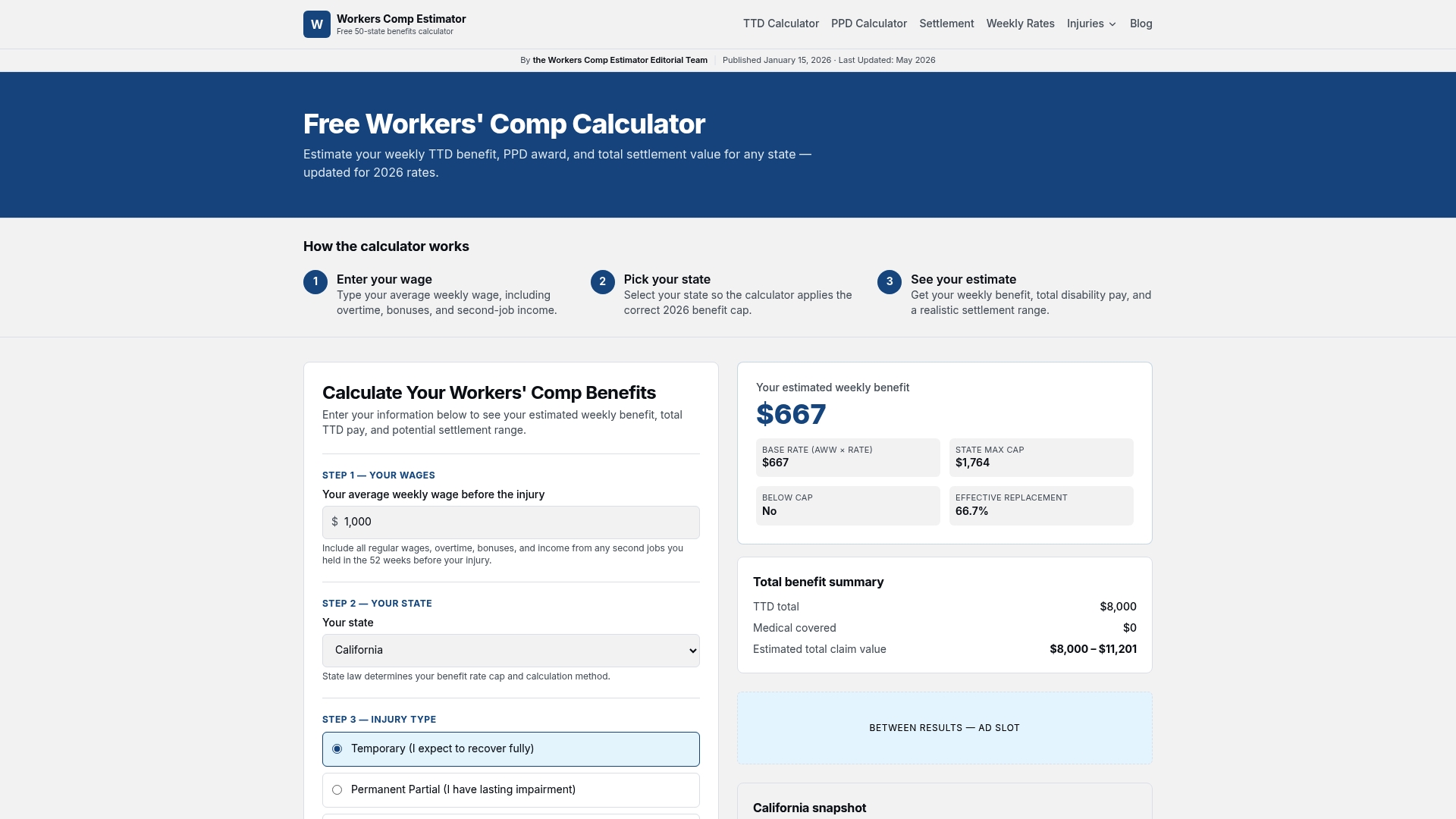
Before you run the numbers, gather four things: your Average Weekly Wage, your state of injury, your MMI date and impairment percentage if you have them, and copies of your medical bills. Plug those into the Workers’ Comp Settlement Calculator to see your projected weekly TTD rate, your PPD estimate based on your impairment rating, and a potential lump-sum settlement range, all built around your specific state’s cap and schedule. If your burn affected your hand specifically, the hand and finger injury calculator walks through settlement considerations unique to that body part.
Run your numbers now and walk into any insurer conversation with a figure you can actually back up.

Sources
Confirm every figure above against primary sources before you finalize any calculation or accept an offer.
- Workers’ Comp Settlement Chart: Payouts by Body Part (2026)
- How Are Workers’ Comp Settlements Calculated? - LegalClarity
- DOL OWCP guidance on impairment ratings
- Workers Comp for Burns, Permanent Scars, and Disfigurement
This article is general information, not a substitute for advice from a qualified financial advisor. Consult a qualified financial professional about your own circumstances before acting on anything here.
FAQ
What Is the Formula for a Burn Injury Settlement?
The core formula is your weekly compensation rate multiplied by the scheduled weeks your state assigns to the injured body part, multiplied by your impairment rating. Add unpaid medical bills and past wage loss on top, and state caps limit how high the weekly rate can go no matter what you actually earned.
How Much Is the Average Burn Injury Workers’ Comp Settlement?
There’s no single average because severity and state law both swing the number heavily. Estimates for minor burns often land in the low thousands, while catastrophic burns with grafts and lifetime care can reach six or seven figures, so running your own numbers through a calculator gives a far more useful figure than any general range.
What Happens After I Reach MMI for a Burn Injury?
Once your treating physician confirms you’ve reached Maximum Medical Improvement, they assign an impairment rating using the applicable AMA Guides methodology. That rating becomes the basis for your PPD calculation and any separate disfigurement award for visible scarring.
Can I Get Compensated for Burn Scars Separately From My Injury Rating?
Yes, many states allow separate disfigurement or scarring awards in addition to impairment-based PPD benefits, especially for scars visible on the face, neck, or hands. These awards are typically evaluated at MMI, so photograph your scarring throughout healing to support the claim.
How Long Do I Have to File a Workers’ Comp Claim for a Burn?
Deadlines vary by state, and written notice requirements can be due within days of the injury, while overall filing deadlines range from about 90 days to roughly two years. Report your burn in writing immediately rather than waiting to see how it heals, since missing a deadline can permanently bar your claim.
Recommended
More from the blog
Run a state specific 2026 workers' comp settlement calculation. Use the free 50 state calculator to see how state caps change your payout.
See how 2026 state caps, wages, and surgery affect your U.S. hernia workers' comp payout. Run a free 50 state calculator for a realistic estimate.
Use a 50 state calculator to see how a U.S. impairment rating payout is built: two step-by-step examples ($24,000 and $40,020), 2026 caps, and lump-sum tips.
Free workers' comp calculators
Put the numbers in this article to work on your own claim.
Weekly benefit, PPD, and settlement in one place.
What your weekly temporary disability check should be.
Scheduled weeks and permanent impairment awards.
Lump-sum value of your full claim.
Turn a 5%, 10%, or 20% rating into dollars.
Max and min weekly rates for all 50 states.
Typical settlement ranges by injury and state.
Fusion, rotator cuff, knee replacement, and more.
When carriers typically make an offer.
What coverage costs by class code and payroll.
Guides, state updates, and claim strategy.